
treadmills7105
About treadmills7105
What’s Everyone Talking About Treadmills This Moment
Home Treadmills: Your Guide to Choosing the Perfect Fitness Companion
In an age where benefit frequently dictates our fitness routines, home treadmills have emerged as a popular service for people aiming to maintain an active way of life without the need to step foot into a gym. With technological advancements and various models readily available, browsing through the options can feel frustrating. This article looks into the vital parts of home treadmills, their advantages, features to think about, and often asked concerns to help potential buyers make informed choices.
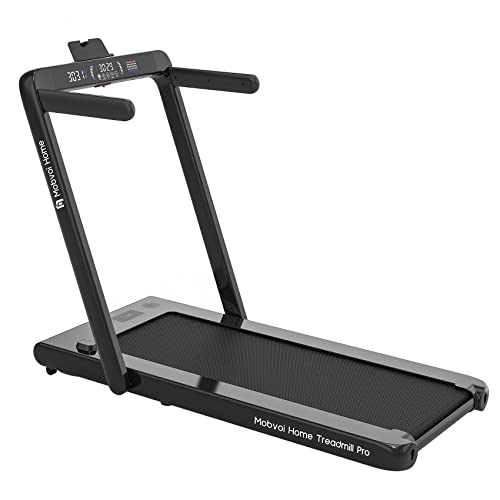
Advantages of Owning a Home Treadmill
Having a treadmill in your home offers different advantages that cater to a series of physical fitness levels, lifestyles, and choices.
| Advantages | Details |
|---|---|
| Convenience | Enables users to exercise at any time without travelling to a gym. |
| Weather Independent | Makes it possible for workouts no matter weather, making sure consistency. |
| Affordable | Minimizes gym subscriptions and travel expenditures in the long run. |
| Personal privacy | Offers a comfortable environment for individuals who choose working out alone. |
| Customizable Workouts | Lots of designs come with pre-set programs and adjustable settings for tailored routines. |
Key Features to Consider When Buying a Treadmill
When choosing a treadmill, comprehending the various features offered is important. Here are some elements to consider:
1. Motor Power
- The power of the motor, determined in horse power (HP), is essential for identifying the treadmill’s capability to handle your workout intensity and frequency.
- A motor of 2.5 HP or higher is generally recommended for regular running.
2. Belt Size
- The size of the running surface area effects convenience throughout workouts. A minimum belt size of 20 inches in width and 55 inches in length is perfect for most users.
3. Cushioning
- Proper cushioning can minimize the effect on joints and enhance convenience, specifically for long-distance runners.
4. Slope Options
- treadmills sales with adjustable incline settings supply a more varied workout and aid engage different muscle groups.
5. Folding Capability
- For those with limited space, a folding treadmill is a useful choice that can be easily stored when not in use.
6. Innovation Integration
- Many contemporary treadmills feature Bluetooth connectivity, integrated speakers, and compatibility with physical fitness apps, permitting users to track their progress efficiently.
7. Cost and Warranty
- The rate of treadmills differs considerably. It’s important to set a budget plan and consider the guarantee offered by the manufacturer for included assurance.
Types of Home Treadmills
Comprehending the various types of treadmills can help narrow down your options based upon your physical fitness objectives and space accessibility.
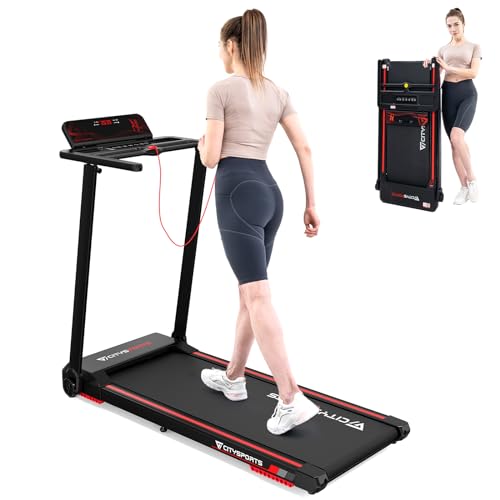
| Type | Description |
|---|---|
| Mechanical Treadmills | These treadmills depend on the user’s effort to power the belt; often more budget-friendly but less ideal for intense exercises. |
| Electric Treadmills | Powered by a motor, these are the most common type and offer numerous features and settings for a customized experience. |
| Folding Treadmills | Perfect for limited areas, folding treadmills can be kept away when not in usage. |
| Commercial Treadmills | Built for heavy use, these treadmills are long lasting and feature-rich but normally more costly. |
Upkeep Tips for Your Treadmill
To keep a treadmill running effectively for several years, routine upkeep is important.
- Clean Regularly: Dust and dirt accumulation can affect performance. Clean down the surface area and vacuum around the treadmill.
- Lubricate the Belt: Follow the producer’s guidelines on how often to lube the belt, generally every 3-6 months.
- Check the Tension: Monitor the belt’s stress to guarantee it is not too loose or too tight, as this can cause wear over time.
- Check the Electrical Components: Ensure that all electrical parts are working properly, and examine for any torn wires.
- Keep it Level: Ensure that the treadmill is on a flat surface area to prevent any unneeded stress on the motor.
Frequently Asked Questions (FAQ)
1. What is the average lifespan of a home treadmill?
- A well-kept treadmill can last anywhere from 7 to 15 years, depending on the quality and frequency of use.
2. Do I need a treadmill with a slope function?
- A slope function increases workout strength and range, making it helpful for those wanting to enhance their physical fitness level.
3. How much area do I require for a treadmill for home use?
- At a minimum, a treadmill ought to have an area of 2-3 feet sale on treadmills electric (via Kilian) each side and 6-8 feet behind it to guarantee safe use.
4. How typically should I change my treadmill?
- If you see reduced efficiency, extreme sound, or noticeable wear, it might be time to consider a replacement.
5. Can I utilize a treadmill for walking as well as running?
- Yes, most treadmills are developed for both walking and running, enabling versatility in your exercise routine.
Investing in a home treadmill can change your fitness journey, providing unequaled benefit and effectiveness. By understanding the various functions, types, and maintenance practices connected with treadmills, you can make an informed decision that aligns with your lifestyle and physical fitness objectives. As you embark on this journey, keep in mind that consistency is crucial, and having the best home treadmill uk equipment in your home can considerably enhance your chances of success.
No listing found.