
rosalie7732061
About rosalie7732061
The Economics of Private Jet Travel: Understanding Costs and Implications
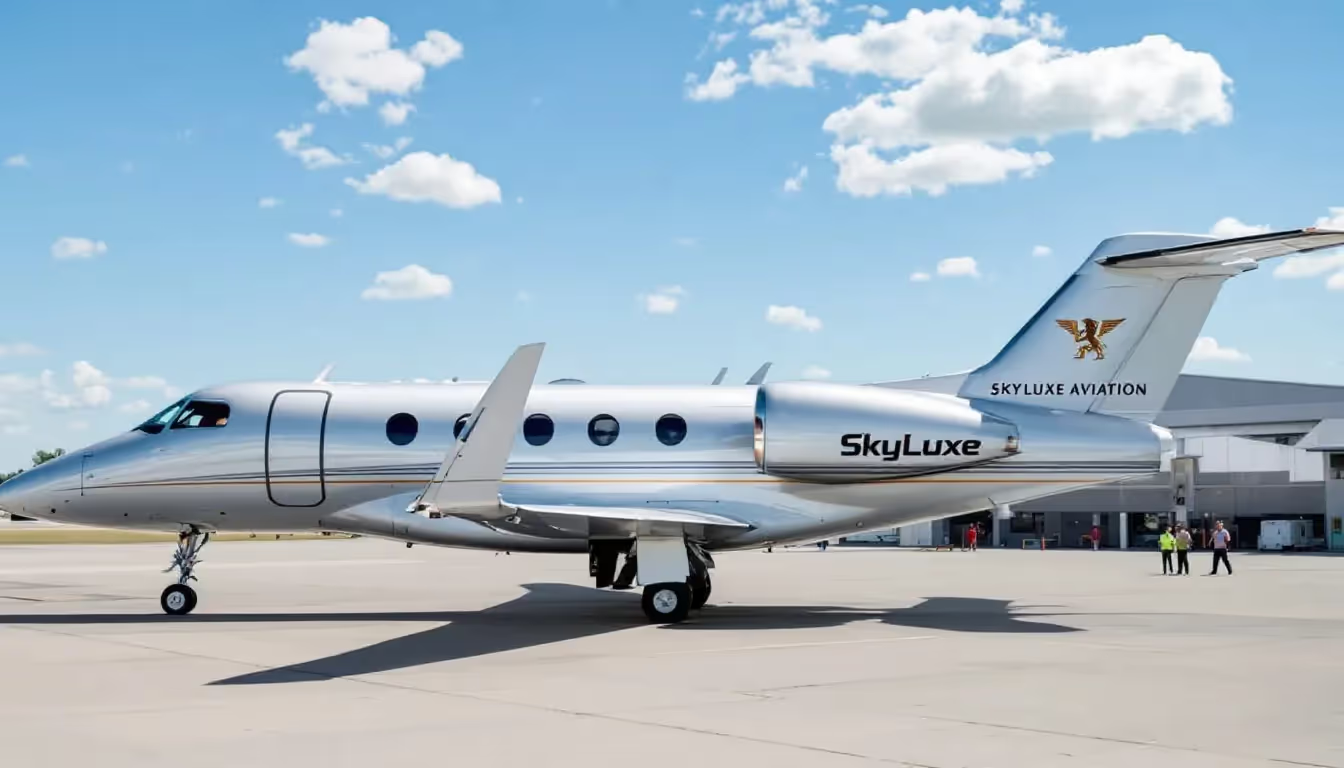
Private jet travel has become synonymous with luxury and exclusivity, attracting a diverse clientele ranging from corporate executives to celebrities. However, the costs associated with private jet travel are often misunderstood. This article delves into the various components that contribute to the overall expense of flying privately, providing a comprehensive overview of what potential travelers can expect.
The Cost Breakdown of Private Jet Travel
When considering the cost of private jet travel, it is essential to understand that the expenses can be categorized into several key components: the acquisition or rental of the aircraft, operational costs, and additional fees.
1. Acquisition Costs
For frequent travelers, purchasing a private jet may be a viable option. The price of a new jet can range from $3 million for a small light jet to over $90 million for a large, long-range jet. However, the initial purchase price is just the beginning. Owners must also consider depreciation, which can significantly affect the jet’s resale value.
For those who fly less frequently, chartering a jet is often the more economical choice. If you loved this article therefore you would like to acquire more info regarding www.privatejetscharter.review i implore you to visit our web-page. Charter prices can vary widely based on the type of aircraft, the duration of the flight, and the distance traveled. On average, hourly rates for chartering a jet can range from $1,200 for a light jet to over $10,000 for a heavy jet.
2. Operational Costs
Operational costs encompass all expenses incurred during the flight. These include fuel, maintenance, pilot salaries, insurance, and hangar fees.
- Fuel Costs: Fuel is one of the most significant operational expenses. Depending on the aircraft size and distance, fuel costs can vary. For instance, a mid-sized jet may consume around 200 gallons of fuel per hour, with prices fluctuating based on current market rates.
- Maintenance: Regular maintenance is crucial for safety and performance. Owners should budget approximately 10% of the aircraft’s purchase price annually for maintenance and repairs.
- Pilot Salaries: Hiring qualified pilots can be expensive. Salaries can range from $75,000 to over $200,000 per year per pilot, depending on experience and the type of aircraft operated.
- Insurance: Insurance is another vital expense. The cost of insuring a private jet can range from $10,000 to $30,000 annually, depending on the aircraft’s value and usage.
- Hangar Fees: Storing a jet at an airport can incur significant costs. Hangar fees can vary widely based on location, with rates ranging from $500 to $5,000 per month.
3. Additional Fees
In addition to the core costs, several ancillary fees can add to the overall expense of private jet travel.
- Landing Fees: Airports charge landing fees, which can vary based on the airport’s size and location. Major airports may charge higher fees, while smaller airports may have lower or even waived fees.
- FBO Services: Fixed Base Operators (FBOs) provide essential services for private jets, including fueling, maintenance, and passenger services. Fees for FBO services can range from $100 to several thousand dollars, depending on the services rendered.
- Catering and Ground Transportation: Customized catering services can enhance the travel experience but come at an additional cost. Depending on the menu and service level, catering can add anywhere from a few hundred to several thousand dollars to the trip. Ground transportation arrangements, such as car rentals or chauffeured services, can also increase overall expenses.
The Cost of Convenience
One of the primary advantages of private jet travel is the convenience it offers. Private jets can access thousands of airports that commercial airlines cannot, allowing travelers to reach their destinations more efficiently. Additionally, travelers can avoid long security lines and boarding processes typical of commercial flights.
However, this convenience comes at a price. The ability to fly on one’s schedule rather than adhering to commercial flight timetables is a significant draw for many. For businesses, this flexibility can translate into increased productivity, as employees can maximize their time by traveling directly to meetings or events without the delays associated with commercial flights.
Cost-Effective Alternatives
For those who desire the benefits of private jet travel without the high costs, several alternatives exist.
- Jet Cards: Jet card programs offer a prepaid option for private jet travel. Clients purchase a certain number of flight hours in advance, securing fixed rates and guaranteed availability. This can be a more economical choice for those who fly regularly but do not require full ownership of an aircraft.
- Fractional Ownership: Fractional ownership programs allow individuals to purchase a share of an aircraft, providing access to a private jet without the full financial burden of ownership. This model typically includes a management company that handles maintenance and operational costs, making it an attractive option for those seeking a balance between cost and convenience.
- Charter Memberships: Some companies offer membership programs that provide discounted charter rates and additional benefits. These memberships can significantly reduce the cost of flying privately while still offering the flexibility and convenience associated with private jet travel.
Conclusion
Private jet travel is undeniably luxurious and convenient, but it comes with a significant price tag. Understanding the various components of travel costs, including acquisition, operational expenses, and additional fees, is essential for anyone considering this mode of transportation.
While private jet travel is often viewed as a luxury reserved for the wealthy, cost-effective alternatives such as jet cards and fractional ownership programs have made it more accessible to a broader audience. As the private aviation industry continues to evolve, travelers can expect to see new options that cater to diverse needs and budgets.
Ultimately, whether for business or leisure, private jet travel offers a unique experience that combines efficiency, comfort, and exclusivity—factors that many are willing to invest in for the sake of convenience and time savings.
No listing found.