
industriehobelmaschinen3649
About industriehobelmaschinen3649
What’s The Current Job Market For Planing Machines For Woodworking Projects Professionals?
Planning Machines for Woodworking Projects: An In-Depth Guide
Woodworking has progressed tremendously throughout the years, transitioning from hand tools to advanced machinery that improves the production process and boosts precision. Among the numerous machines offered, the planning machine stands out for its adaptability and the critical role it plays in woodworking projects. In this article, we will explore the various kinds of planning machines, their functions, advantages, and pointers for choosing the ideal one for your woodworking needs.
Comprehending Planning Machines
A preparation machine, typically referred to as a density planer, is a power tool designed to smooth and level the surfaces of wood, making it a fundamental tool in any woodworking shop. It helps in achieving uniform density across lumber or sheets of wood, permitting for better-fitting joints and a polished finish.
How Planning Machines Work
Planning machines operate by passing wood through a series of turning blades which slash off thin layers, leading to a flat, even surface. They use accurate control over the thickness, making them vital for both hobbyists and professional woodworkers.
Secret Features of Planning Machines
When considering a preparation machine, it’s necessary to comprehend the features that add to its performance and usability. Here’s a breakdown of important components:
| Feature | Description |
|---|---|
| Blade Type | Various alternatives consisting of straight, spiral (cutter head), and disposable blades. |
| Cutting Width | The maximum width of wood that can be processed, normally ranging from 12” to 20”. |
| Depth Adjustment | Allows users to set the wanted thickness for the wood being processed– typically measured in increments. |
| Feed Rate | The speed at which wood passes through the device; higher rates can increase effectiveness. |
| Dust Collection | Integrated systems that prevent debris and dust from collecting in the work space. |
| Build Quality | Much heavier models tend to use much better stability and less vibration throughout operation. |
Types of Planning Machines
Planning machines can be found in a number of varieties, each created for various applications. Here are the most typical types:
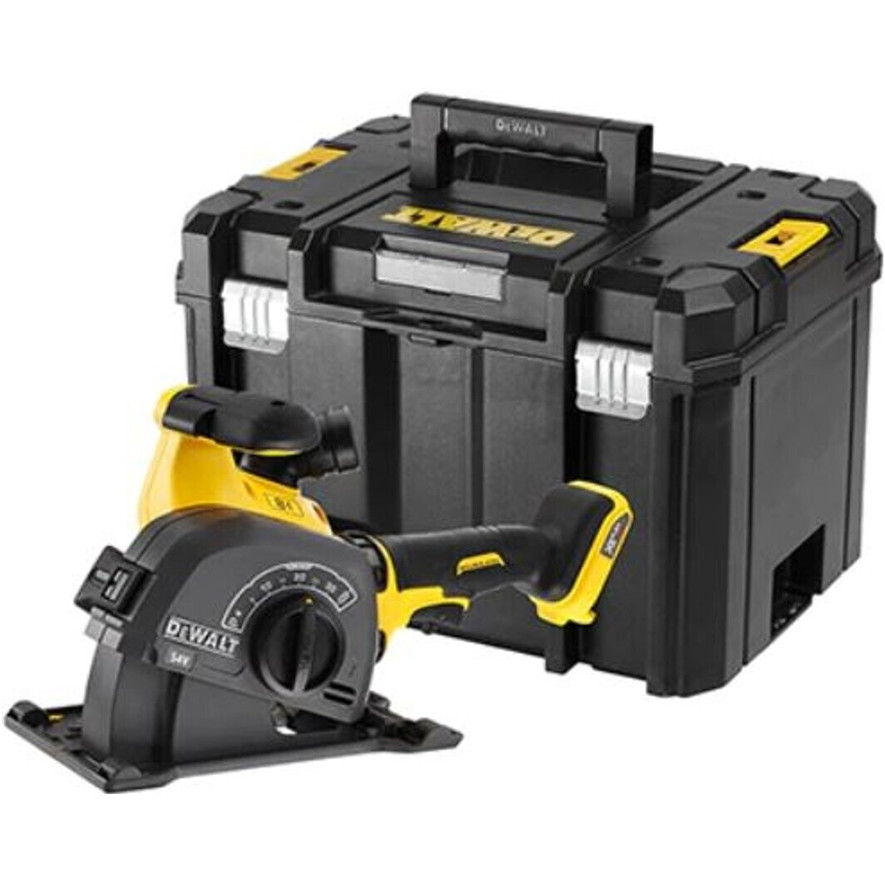
1. Thickness Planer
This is the most prevalent type of planning device, understood for its capability to decrease the thickness of wood. It is perfect for bringing rough lumber to an uniform thickness.
2. Surface Planer
A surface planer is created to flatten one face of a wood piece while developing a straight edge on one side. It is important for jointing on bigger panels.
3. Combination Planer
As the name suggests, a mix planer merges the functionalities of both a thickness planer and a surface planer. It is perfect for woodworkers with restricted space.
4. Benchtop Planer
Ideal for hobbyists and smaller workshops, these systems are lightweight, portable, and capable of managing light to moderate work.
5. Industrial Planers
For woodworkers with substantial production needs, industrial-grade planers are robust machines constructed to manage high volumes of wood with higher precision.
Advantages of Using Planning Machines
Buying a planning device offers several advantages for woodworking projects:
-
Uniformity: Ensures constant density across boards, which is important for stability in furniture and cabinetry.
-
Time Efficiency: Cuts down time considerably compared to manual sanding and Planing Machines For Woodworking Projects.
-
Precision: Offers a level of precision that manual approaches can hardly ever match, ensuring tight joints and high-quality surfaces.
-
Flexibility: Can deal with different wood types and densities, making it ideal for diverse projects.
-
Easy Setup: Modern planers are designed for straightforward setup and operation, making them available for novices.
How to Choose the Right Planning Machine
Choosing a preparation machine can be frustrating given the myriad choices available. Here are some considerations to assist narrow down your options:
-
Project Needs: Assess the kinds of projects you plan to undertake. Will you be working with big boards, or do you require a more compact design?
-
Space Requirements: Evaluate your workshop’s space and choose a design that fits easily.
-
Budget: Set a budget that shows the balance between necessary features and your monetary limitations.
-
Quality of Construction: Opt for machines with a strong build to make sure resilience and strength against wear and tear.
-
User Reviews: Investigate customer feedback to get insights into the performance and reliability of particular models.
-
Brand Reputation: Consider recognized brands with a history of quality machines.
FREQUENTLY ASKED QUESTION
What is the distinction between a thickness planer and a surface area planer?
A thickness planer reduces the density of wood, while a surface planer flattens one face and develops a straight edge on one side.
Can I use a planning device on hardwood?
Yes, preparing machines are designed to manage numerous wood types, consisting of wood. Guarantee the blades are sharp for the very best results.
How frequently should I alter the blades on my planer?
Blade life depends on usage and the kind of wood processed. Regularly inspect the blades for dullness, and replace them when you see a drop in efficiency.
Are preparing machines safe to utilize?
Like all power tools, preparing machines come with fundamental risks. Constantly follow security protocols, such as using eye protection and utilizing push sticks to manage the wood being fed through.
Can I use a preparation maker on recovered wood?
Yes, but be cautious of nails or other hard materials that might damage the blades. Pre-inspect recovered wood for foreign items.
Planning machines play a crucial role in attaining professional-quality lead to woodworking projects. By understanding their numerous types, functions, and benefits, woodworkers can make educated options that enhance their craftsmanship. No matter whether you are a hobbyist or a professional, a trustworthy planning machine is a worthy investment that will undoubtedly elevate your woodworking experience.
No listing found.