
fireplaces5156
About fireplaces5156
15 Terms Everybody Who Works In Fireplaces Sale Industry Should Know
The Ultimate Guide to Fireplaces Sale: Transform Your Home with the Perfect Hearth
As the chilly winds of winter method, numerous homeowners turn their attention to enhancing the heat and ambiance of their home. Fireplaces have long been a favored feature in homes for their visual appeal and performance. With a variety of options readily available on the market, this blog post intends to inform readers about the various types of fireplaces, the factors to consider for picking one, and the present fireplace sales that can assist house owners make a clever financial investment.
Kinds of Fireplaces
Fireplaces come in different designs and fuel sources, each accommodating particular needs and choices. Here’s an extensive appearance at the types of fireplaces available today:
| Type of Fireplace | Description | Pros | Cons |
|---|---|---|---|
| Wood-Burning | Standard fireplaces that utilize logs as fuel. | Genuine ambiance, crackling noise, high heat. | Requires more upkeep; less energy-efficient. |
| Gas | Fireplaces that run on gas or gas. | Hassle-free, easy to utilize, adjustable flames. | Needs a gas line; less genuine appearance. |
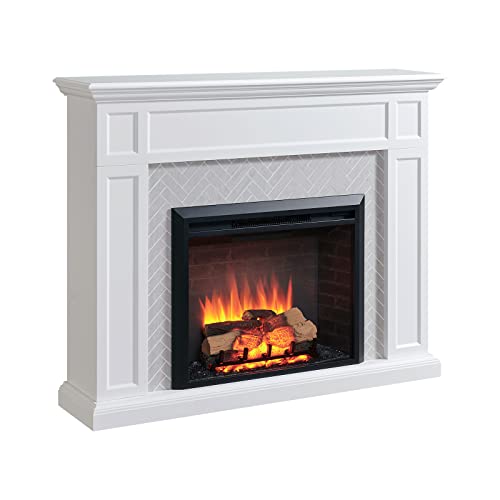
| Electric | Fires created utilizing electrical energy, frequently with realistic flames. | Low upkeep, safe, no emissions. | Normally less heat output; reliant on electrical power. |
| Pellet | Burns compressed Wood Burning Stoves Online pellets for heat. | Environmentally friendly, effective heat. | Needs a source of power; pellet schedule concerns. |
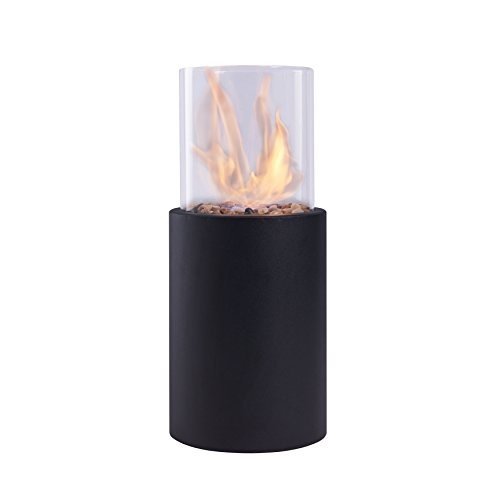
| Bioethanol | Burns bioethanol fuel for a clean, smokeless fire. | Versatile, modern-day design, no venting needed. | Greater fuel expense; minimal heat output. |
Additional Considerations
When buying a fireplace, a number of factors enter play that can affect the decision-making process:
-
Space and Design: Assess the available space and visual requirements. Fireplaces can be integrated, freestanding, or wall-mounted. Analyze your interior decoration to discover a design that complements it.
-
Installation: Some fireplaces need expert setup, specifically wood-burning and gas designs. Electric and bioethanol units are often easier to set up.
-
Fuel Source Availability: Consider the schedule of your chosen fuel source in your area. For circumstances, if going with wood-burning, ensure you can access a trusted supply of seasoned wood.
-
Regional Regulations: Check regional building regulations and guidelines concerning fireplace installation, particularly for wood-burning and gas models, which may need licenses.
-
Spending plan: Fireplaces can vary from budget-friendly electrical models to high-end custom-made systems. Develop a budget ahead of time to guide your purchase.
Existing Fireplace Sales
With the rise in home improvement jobs and the seasonal need for heating solutions, numerous retailers offer attracting fireplace sales to encourage purchases. Below is a list of retailers known for their fireplace sales:
| Retailer | Kind of Fireplaces on Sale | Approximated Discount | Sale Duration |
|---|---|---|---|
| Home Depot | Gas, electric, wood-burning | 20% – 40% | October 1 – November 30 |
| Lowe’s | Electric, pellet | 15% – 30% | October 15 – December 1 |
| Wayfair | All types, consisting of devices | 25% – 50% | Ongoing |
| Amazon | Electric, bioethanol | Up to 30% | Black Friday Weekend |
| Build.com | Gas, wood-burning, custom builds | 10% – 25% | Seasonally (check website) |
Tips for Getting the Best Deals
-
Compare Prices: Don’t choose the very first sale you see. Use prices comparison sites to guarantee you’re getting the lowest price readily available.
-
Register for Newsletters: Retailers frequently send out unique deals and promos to subscribers. This can be a terrific method to nab a fireplace at a discount rate.
-
Trade Convention and Expos: Attend home improvement shows in your area where producers might sell straight to consumers at considerably reduced costs.
-
Off-Season Purchases: Purchasing a fireplace throughout the off-season (spring and summer season) might yield much better savings, as need generally reduces.
Benefits of a Fireplace
Buying a fireplace exceeds visual appeals. Here are a few of the essential benefits of having a fireplace in your house:
-
Increased Home Value: A well-installed fireplace can enhance the resale worth of your property, making it more attractive to possible purchasers.
-
Energy Efficiency: Certain types of fireplaces, especially contemporary gas and pellet models, can be exceptionally energy-efficient, using alternative heating solutions.
-
Ambiance and Comfort: A fireplace functions as a comfortable focal point in any room, producing a warm environment that motivates relaxation and celebrations.
-
Boosted Air Quality: Electric and bioethanol fireplaces produce minimal to no emissions, improving indoor air quality compared to standard wood-burning systems.
Regularly Asked Questions (FAQ)
1. How do I choose the ideal size for my fireplace?
The size of your fireplace need to be proportional to the size of the room. A general general rule is to enable 20 BTUs (British Thermal Units) for each square foot of area. Speak with a professional if unsure.
2. Can I install a fireplace myself?
While electric and bioethanol fireplaces can typically be installed by property owners, wood-burning and gas units typically require professional installation to ensure safety and compliance with building regulations.
3. What is the upkeep needed for fireplaces?
Maintenance requirements vary by type. Wood-burning fireplaces require routine cleaning of ash and creosote buildup, while gas systems must be inspected for gas leaks and proper venting. Electric units generally require very little maintenance.
4. Are there any safety interest in fireplaces?
Yes, particularly with wood-burning and gas designs. Always use a screen to avoid triggers, guarantee correct ventilation, and have your chimney cleaned yearly to decrease fire threat.
5. How do I choose in between a gas or wood-burning fireplace?
Consider your concerns: if you value benefit and ease of use, a gas fireplace may be the very best choice. If you prefer the traditional feel and ambiance of a crackling fire, a wood-burning unit may be your finest bet.
As the fireplace market grows with innovative alternatives, homeowners are paid for more choices than ever. With the right details, making a choice during fireplace sales can lead to enhanced home convenience and design. Whether you’re wanting to create a cozy atmosphere or seeking an energy-efficient heating source, there’s a perfect fireplace waiting to end up being the heart of your home.
No listing found.