
fireplaces2788
About fireplaces2788
10 Mobile Apps That Are The Best For Best Fire Place
The Best Fireplaces: A Comprehensive Guide to Cozy Living
As the chill of winter descends and the days grow shorter, couple of things stimulate convenience and heat quite like a fireplace. Whether it’s the flickering flames that produce a relaxing atmosphere or the warmth that covers a room, fireplaces continue to be a valued function in homes around the world. Nevertheless, with a variety of options readily available today, choosing the best fireplace for your needs can be intimidating. This guide intends to provide comprehensive insights into numerous kinds of fireplaces, their advantages, and some top models on the market.
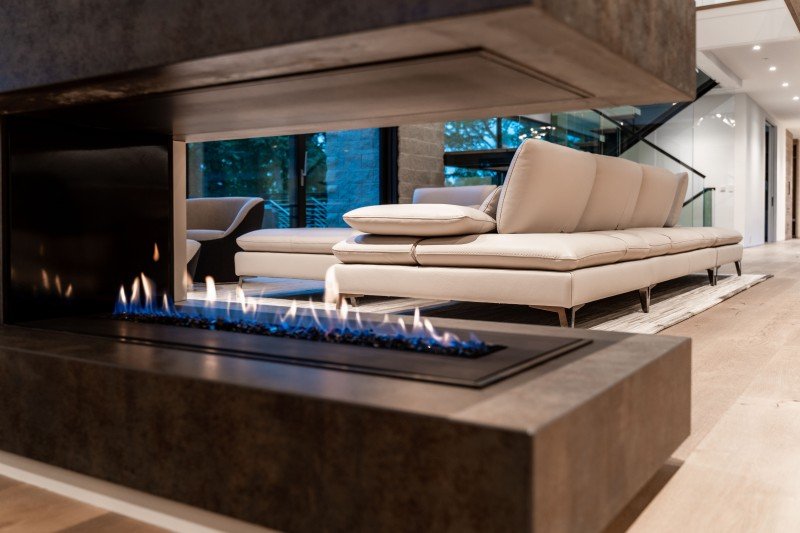
Types of Fireplaces
Before diving into specific designs, it’s vital to comprehend the different types of fireplaces readily available:
| Type | Description | Advantages | Downsides |
|---|---|---|---|
| Wood-Burning | Traditional fireplaces that burn logs. | Authentic experience, natural heat, looks | Requires maintenance, less efficient, smoke. |
| Gas | Fireplaces powered by natural gas or propane. | Tidy, efficient, simple to utilize | Initial installation expense, gas line required. |
| Electric | Use electrical power to create a simulated flame. | Low maintenance, versatile, simple setup | Does not have authentic heat, may not supply real heat. |
| Ethanol | Burn bioethanol fuel, suitable for indoor/outdoor use. | Eco-friendly, portable, no chimney needed | Limited heat output, higher fuel expenses. |
| Pellet | Burn compressed Wood Burning Stoves Online (www.rahimwyatt.top) pellets. | Environment-friendly, efficient, automated feeding | Needs electrical power for operation, preliminary expense. |
Understanding the advantages and disadvantages of each type can help users recognize which category best matches their space, budget, and lifestyle.
Leading Picks for Fireplaces
Now that we have a summary of the different types of fireplaces, let’s dive into a few of the best models currently readily available across various classifications:
1. Finest Wood-Burning Fireplace: Vermont Castings Defiant
-
Functions:
- © Large firebox, secondary combustion system for performance.
- Several finish options for modification.
-
Why It’s Great:
- Its excellent heat output and long burn time make it a preferred amongst traditionalists who delight in the experience of a wood fire.
2. Finest Gas Fireplace: Napoleon B42NTR
-
Features:
- 42-inch style with a practical flame look.
- Consists of a push-button control for easy operation.
-
Why It’s Great:
- Offers both visual appeal and functionality, with exceptional performance scores and very little maintenance.
3. Best Electric Fireplace: Touchstone Sideline 50
-
Features:
- 50-inch wall-mounted design with multiple flame color choices.
- Can be used with or without heat for year-round usage.
-
Why It’s Great:
- Perfect for apartment or condos or homes where installation of a standard fireplace isn’t possible.
4. Finest Ethanol Fireplace: IgniteXL 50 Electric Fireplace
-
Features:
- Sleek and contemporary style with a touch-screen control panel.
- Produces no smoke, soot, or ash.
-
Why It’s Great:
- Eco-friendly and portable, making it suitable for indoor and outside settings.
5. Best Pellet Fireplace: Castle 12327 Serenity
-
Functions:
- Automatic feed for constant heat output.
- Built-in thermostat for optimal temperature management.
-
Why It’s Great:
- Highly efficient and offers a low ecological impact, making it a fantastic option for eco-conscious homeowners.
Benefits of Having a Fireplace
Buying a fireplace can provide various benefits:
- Ambiance: Fireplaces produce a warm and welcoming environment for gatherings and relaxation.
- Heating: They can serve as an excellent source of extra heat during chillier months.
- Increased Home Value: A well-chosen fireplace can boost the aesthetic appeal of a home, possibly increasing its market value.
- Versatility: Many modern-day fireplaces come with functions that enable for diverse use beyond mere heating, such as decorative screens or mood lighting.
- Sustainability: With environmentally friendly choices offered, fireplaces can contribute to a more sustainable way of life, particularly when using sustainable fuels like pellets or ethanol.
Often Asked Questions (FAQ)
Q1: Can I install a wood-burning fireplace in an existing home?
A: Yes, but it might need modifications to the chimney and flue to fulfill safety standards. Always talk to an expert.
Q2: How do I preserve my fireplace?
A: Maintenance depends on the type; for wood-burning fireplaces, regular cleaning of the chimney, wood storage, and ash removal is important. Gas fireplaces require less maintenance, however the burner and logs must be checked occasionally.
Q3: Are electrical fireplaces safe?
A: Generally, yes! Electric fireplaces are designed with security features and do not produce hazardous emissions, making them a safe choice for homes.
Q4: What is the average lifespan of a fireplace?
A: The life-span differs; gas and electrical fireplaces might last 15-20 years with correct maintenance, while wood-burning fireplaces can last a lot longer with great care.
Q5: What type of fireplace provides the very best heating performance?
A: Pellet and gas fireplaces are known for their high performance, producing more heat while consuming less fuel compared to traditional wood-burning fireplaces.
Choosing the best fireplace involves thinking about various factors, consisting of type, installation area, and personal preferences. By understanding the various alternatives available and their respective advantages, customers can make informed decisions that improve their living areas. Whether one seeks the conventional charm of wood-burning fires, the convenience of gas, or the contemporary touch of electric or ethanol designs, there’s an ideal fireplace for each home. As we approach the chillier months, purchasing the best fireplace can produce not just heat however a cozy haven for friends and family to delight in.
No listing found.